
Longtime Surgeon Trusts His Heart to His Baptist Health Colleagues

For more than five decades, Howard Katzman, M.D., has been a fixture at Baptist Health. As a dedicated physician and vascular surgeon, he has spent 54 years caring for others, “driving the bus” of medical care for thousands of patients. But on Labor Day last year, the roles reversed.
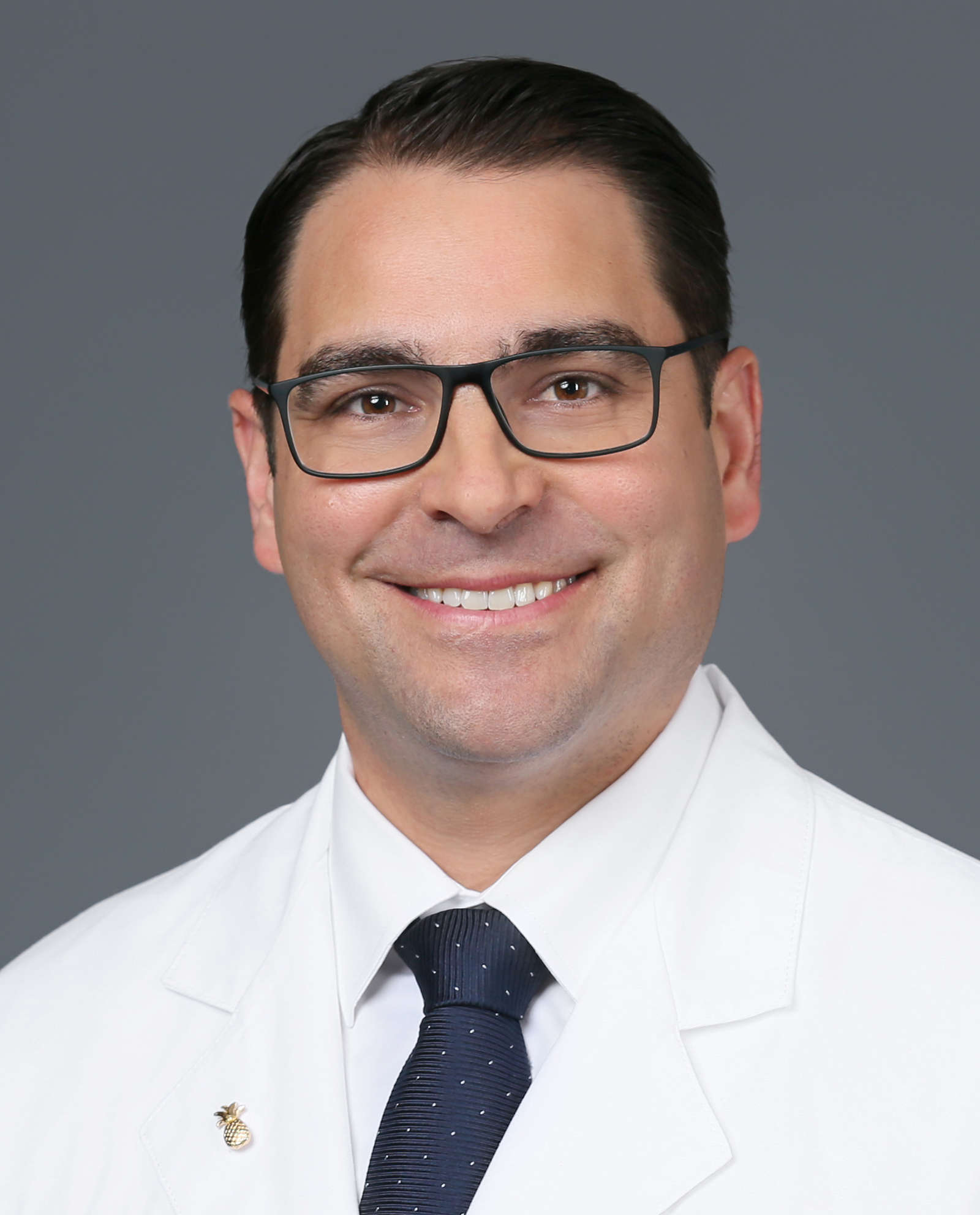
Mario Pascual, M.D.
The 86-year-old physician found himself short of breath and unable to carry out his usual routine. A trip to the Emergency Department revealed a life-threatening reality: his pulse had dropped into the 30s.
“That very low pulse rate caused me to have what is known as acute congestive heart failure,” Dr. Katzman recalls. “The Emergency Department identified that I had a third-degree heart block, which required implantation of a pacemaker.” That procedure would be done the next day by one of his colleagues at Baptist Health Miami Cardiac & Vascular Institute, electrophysiologist Mario Pascual, M.D.
A third-degree heart block, also called complete heart block, is a serious condition in which the electrical signals from the upper chambers of the heart (the atria) do not reach the lower chambers (the ventricles) at all.
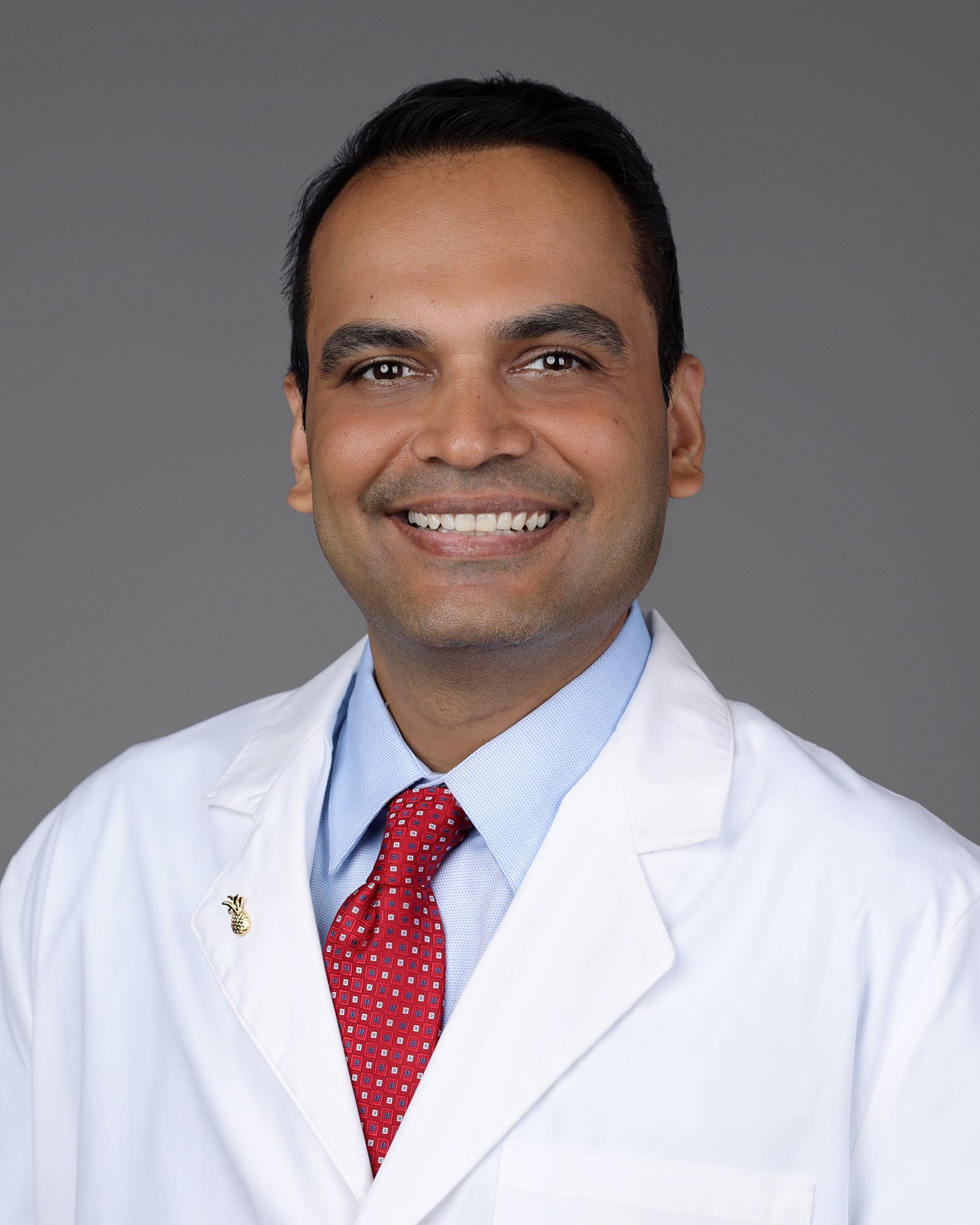
Nish Patel, M.D.
Because of this disconnect, the atria and ventricles beat independently, and the heart often beats much too slowly to pump enough blood to the body. This can cause symptoms like dizziness, extreme fatigue, shortness of breath, fainting or even cardiac arrest. A third-degree heart block usually requires urgent treatment, most often with a pacemaker to restore a safe and regular heart rhythm.
A Second Serious Heart Condition is Identified
Further investigation by the cardiac team had also revealed a second, equally serious issue. In addition to the electrical problem causing the heart block, Dr. Katzman suffered from severe aortic stenosis, a condition that narrows the heart’s aortic valve, restricting blood flow to vital organs and limbs.
Nish Patel, M.D., an interventional cardiologist at Miami Cardiac & Vascular Institute, recognized the urgency of Dr. Katzman’s condition. “Severe aortic stenosis is one of the lethal valve diseases,” Dr. Patel explains. “Once you have heart failure, the risk of mortality is similar to stage four cancer if it is not treated.”
When the Physician Becomes the Patient
For Dr. Katzman, the transition from provider to patient required a shift in mindset. Physicians are often described as difficult patients because their knowledge can lead to excessive worry. However, Dr. Katzman made a conscious choice to surrender control.
“‘You just be the patient and let the doctors drive this bus,’” he told himself. “’You’ve been driving the bus for a long time. Now it’s your turn to let them do it.’”
This decision placed his life in the hands of the very colleagues he had worked alongside for years. For the medical team, the stakes felt personal. Dr. Patel leads the Institute’s structural heart program and viewed treating his colleague as both a challenge and an honor.
“Dr. Katzman is one of our partners and an integral part of the community,” Dr. Patel says. “In a very vulnerable moment of his life, he trusted our team. That level of trust reinforces why we do what we do.”
A Minimally Invasive Surgical Solution
Decades ago, addressing a heart block and aortic valve stenosis simultaneously in an octogenarian might have required open-heart surgery with a lengthy and difficult recovery. Today, medical advancements allow for less intrusive options.
The team at Miami Cardiac & Vascular Institute determined Dr. Katzman was a candidate for a minimally invasive procedure known as transcatheter aortic valve replacement (TAVR). Instead of open-heart surgery, doctors guide a new valve to the heart through a thin tube (catheter), usually inserted through an artery in the leg. The new valve is placed inside the old one and immediately takes over the job of regulating blood flow, helping the heart pump more easily.
Because it avoids the need for opening the chest (a sternotomy), TAVR typically means less pain, shorter hospital stays and faster recovery—especially for older adults or patients who are at higher risk for traditional surgery.
Dr. Patel performed the valve replacement in October 2025 and the outcome was excellent. Dr. Katzman was discharged the very next day.
Experiencing the Culture of Excellence
While the clinical outcome was successful, what left the deepest impression on Dr. Katzman was the culture of care he experienced from the other side of the bedside. He says that Baptist Health’s values—people, compassion and excellence—were evident in every interaction.
“I knew exactly what was going to happen but what I didn’t know was how wonderful things would be for me as a patient,” Dr. Katzman says. “What I experienced was the best of the best. Every healthcare provider I came in touch with came to me with a great deal of courtesy, empathy and skill.”
He emphasizes that this level of care was not reserved for him as a VIP or a colleague. He observed the staff treating surrounding patients with the same attentiveness and compassion.
“I had the best doctors, the best care,” Dr. Katzman says. “Everybody I interacted with had the same values: to be thorough, to be compassionate and to be excellent. And I saw a lot of other patients getting the same care that I did.”
Dr. Patel echoes this sentiment, stating that the culture at Baptist Health ensures every patient receives elite treatment.
“Every single patient that we treat at Baptist Health, we treat as if they are a VIP patient,” Dr. Patel says. “Even the environmental services staff and cafeteria staff are looking out for the patient. Every single person contributes to the patient experience.”
Back at Work Within a Week
The speed of Dr. Katzman’s recovery was remarkable. Within five days of the procedure, he returned to his normal life. In that same week, he was back in his office seeing patients.
“Recovering was actually pretty simple because I no longer was short of breath,” he says. Just eight weeks after the medical crisis that sent him to the Emergency Department, he reported walking a mile every day, playing golf and traveling.
For Dr. Patel, seeing his colleague bounce back so quickly was inspiring. “What I learned from him is his love for his job,” Dr. Patel says. “Even when he was admitted with heart failure, he was thinking about going back to see his patients. I wish I can practice medicine the way he does at the age of 86.”
The Best Place for Complex Cardiac Care
Now participating in the cardiac rehab program twice a week, Dr. Katzman reflects on his longevity and the care that extended it. He believes staying active and continuing to work keeps him mentally and physically sharp.
His experience has solidified his loyalty to the institution he has served for 54 years.
“I realized I didn’t need to go anywhere else,” Dr. Katzman says. “I know the quality of the care here. There is no way I would recommend any patient to go anywhere else for this kind of complex care.”
For the team at Miami Cardiac & Vascular Institute, the successful treatment of one of their own serves as a powerful reminder of their mission.
“This whole experience highlighted that we are all in this together,” Dr. Patel says. “If one of our team members is in a vulnerable position, we are there for them. We treat our colleagues as if they are one of our family members.”
Dr. Katzman’s story is a testament to the power of trust and the impact of advanced cardiac care. “I’m grateful to have the opportunity to share my story,” he says. “I want everybody else to know that they can have that same experience as I did.”
Leading a Full and Active Life at 86
Now that the team at Miami Cardiac & Vascular Institute has replaced his heart valve, Dr. Katzman continues to lead a full and active life. Although the longtime vascular surgeon hung up his surgical mask and gown a while ago, he continues to see patients in his office. He says he thrives on his daily interactions with them and with his colleagues at Miami Cardiac & Vascular Institute.
“If you can keep working, it keeps you there—mentally and physically,” Dr. Katzman affirms. “I get enormous pleasure and feedback from seeing patients. And my colleagues and staff at Baptist Health are like my extended family.”
Even with his busy clinical schedule, Dr. Katzman always makes time for his favorite pastimes, which include golfing, boating, volunteering as an ambassador at ZooMiami and traveling the world with his wife. “Our last trip was exploring the Norwegian fjords and our next one is probably going to be the islands of the South Pacific, which I’ve never seen,” he says.
His favorite destination so far? “I’ve been to Africa three times. I love it—the nature, the animal life, the people, the geography. It’s simply spectacular.”
