
Innovating Rotator Cuff Repair With Demineralized Bone Fiber Technology

Rotator cuff repair outcomes continue to improve with advances in arthroscopic technique, yet biologic failure at the tendon-to-bone interface remains a leading cause of retears. While fixation strategies have evolved, attention is increasingly shifting toward optimizing biologic healing at the enthesis.
According to Derek Papp, M.D., sports medicine physician and orthopedic surgeon with Baptist Health Orthopedic Care, addressing this interface is critical to achieving durable repair.
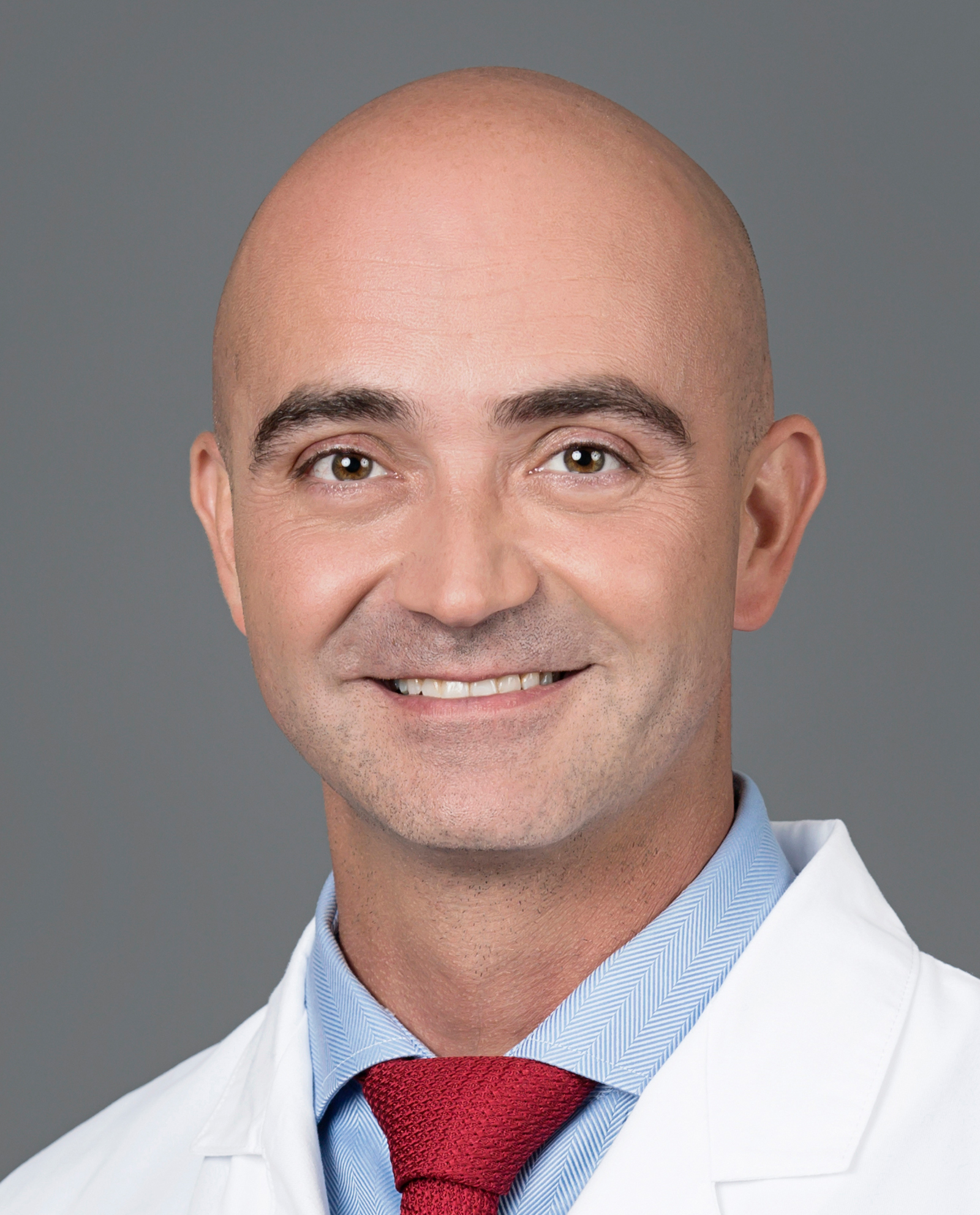
Derek Papp, M.D.,
Drawing from recent research and clinical experience, Dr. Papp highlights how demineralized bone fiber technology is being used to biologically augment rotator cuff repair while maintaining established surgical workflows.
The Role of Orthobiologics in Rotator Cuff Repair
Orthobiologic strategies in the shoulder generally fall into two categories: surface-based augmentation and biologic enhancement at the repair site. Patches placed over the rotator cuff can be useful in select cases, particularly when tissue quality is compromised.
“We use a number of different patches,” Dr. Papp explains. “Some are collagen-based and absorb over time to help bulk the tissue, while others are more structural and useful when I’m concerned about the integrity of the repair.”
However, he emphasizes that patch augmentation alone does not fully address the primary challenge in rotator cuff healing.
Why the Enthesis Matters
From a biomechanical standpoint, both single-row and double-row repairs can produce favorable clinical outcomes. Dr. Papp notes that fixation strategy is only part of the equation.
“Single-row rotator cuff repair works well clinically,” he says. “The key is getting the tendon to heal to the bone.”
Failure at the tendon-to-bone interface remains a primary driver of retears, particularly in larger tears or patients with compromised healing potential. This has led to growing interest in biologic solutions that directly target enthesis healing.
Demineralized Bone Fiber Technology: Mechanism and Rationale
Demineralized bone fiber technology is designed to enhance the biologic environment at the rotator cuff footprint. The implant is used as an adjunct to standard arthroscopic repair rather than a replacement for sound surgical technique.
The procedure begins with preparation of the greater tuberosity by creating a trough and decorticating the cortical surface. This process exposes marrow elements, which can be visualized emerging from the bone.
“The implant itself acts almost like a wick,” Dr. Papp explains. “It draws marrow elements out of the bone and into the repair site, creating a biologically active interface that supports tendon-to-bone healing.”
Animal studies suggest that this approach may promote faster and more robust healing compared to native tissue alone, supporting its role as a biologic enhancer.
Integration Into Arthroscopic Workflow
After placement of the demineralized bone fiber implant, the rotator cuff is reduced and secured using standard anchor-based fixation. Dr. Papp typically uses double-loaded or triple-loaded anchors based on tear size and tissue quality.
The resulting construct provides contact at two interfaces: traditional tendon-to-bone compression at the footprint and biologic support from the underlying implant.
Importantly, this technique integrates seamlessly into existing arthroscopic workflows.
“It doesn’t significantly change the mechanics of the repair,” Dr. Papp says. “It’s meant to enhance healing, not replace good technique.”
Clinical Considerations for Referring and Treating Physicians
Dr. Papp stresses selective use of biologic augmentation based on patient-specific factors, including tear characteristics and healing potential. While orthobiologics are not necessary in every case, they may offer added value in patients at higher risk for biologic failure.
For referring physicians, early identification and timely referral of patients with symptomatic rotator cuff pathology remain critical. Advances in biologic augmentation further underscore the importance of collaborative care pathways between primary care, sports medicine and orthopedic surgery.
Looking Ahead
As rotator cuff surgery continues to evolve, biologic optimization of healing is expected to play an increasingly important role.
“Improving biologic healing is where much of the future of rotator cuff surgery is heading,” Dr. Papp says.
