
Why Shoulder Pain Isn’t Just ‘Getting Older’ — And What You Can Do About It

A persistent ache in the shoulder makes reaching for a high shelf difficult. Putting on a shirt or jacket suddenly feels like a painful chore. Many adults experience these symptoms and write them off as a normal part of the aging process.
Normalizing shoulder pain is a risky habit. Delaying medical evaluation often turns a highly treatable issue into a severe condition requiring invasive surgery.
The Hidden Healthcare Crisis in Our Joints
Unlike diabetes or heart disease, joint health rarely commands national awareness campaigns. Yet, musculoskeletal conditions severely impact millions of adults every year.
James Ross, M.D., an orthopedic surgeon with Baptist Health Orthopedic Care, views this lack of awareness as a profound public health issue. Dr. Ross serves as the team physician for Florida Atlantic University, Lynn University, and the Florida Panthers.

James Ross, M.D.,
"Professional athletes who I help treat are fully aware when there’s something wrong from overuse or traumatic injury," Dr. Ross explains. "But the general public is facing a hidden healthcare crisis. Muscle and joint disorders—especially shoulder and elbow injuries—are among the most common and costly workplace injuries in the U.S. As orthopedic specialists, it is a challenge to make the public truly understand what is at stake."
The statistics highlight the urgency of this crisis. An estimated two million U.S. adults experience rotator cuff injuries annually. By age 60, nearly one in three adults has a rotator cuff tear, often without realizing it. By age 80, that number jumps to over one in two.
Common Causes of Shoulder Pain
Assuming your pain is just a natural consequence of getting older prevents you from finding a targeted solution. The shoulder is a complex ball-and-socket joint heavily reliant on a network of muscles and tendons for stability. When pain strikes, it usually stems from specific structural damage.
Rotator Cuff Tears
The rotator cuff consists of four muscles that come together as tendons to keep the arm bone securely in the shoulder socket. A tear in these tendons can happen suddenly from a single injury, like lifting a heavy object awkwardly. More often, tears develop gradually from repetitive stress.
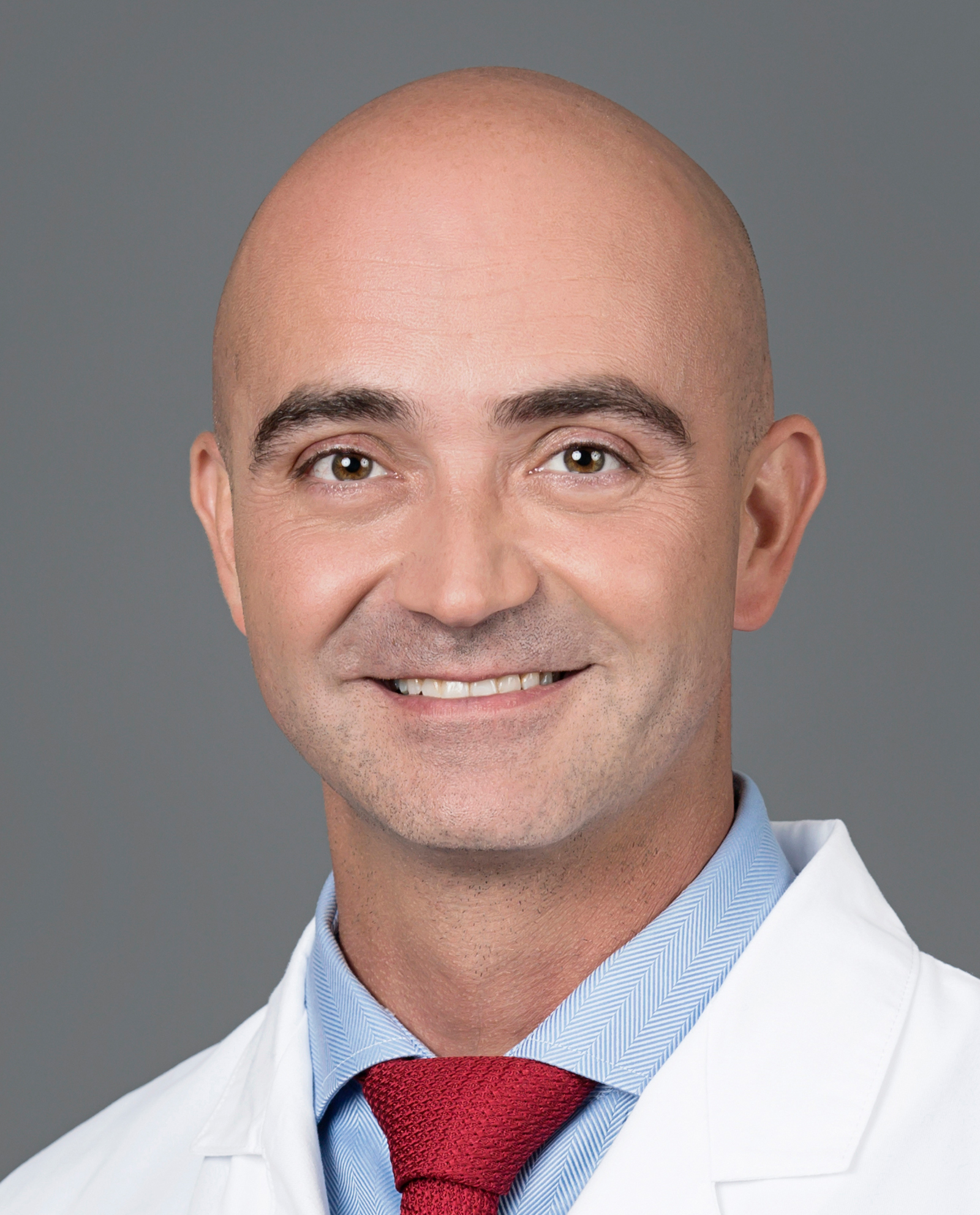
Derek Papp, M.D.
Pain from a rotator cuff tear typically worsens at night, especially if you lie on the affected side. You might also notice weakness in the arm and a crackling sensation when moving it in certain directions.
Frozen Shoulder
Adhesive capsulitis, commonly known as frozen shoulder, occurs when the connective tissue enclosing the joint thickens and tightens. This restricts movement entirely. The condition typically develops in three stages: freezing, frozen, and thawing.
During the freezing stage, any movement causes pain, and your range of motion starts to decline. The pain might lessen during the frozen stage, but the shoulder becomes incredibly stiff. Recovery can take up to three years if left untreated, making early intervention critical to restoring mobility faster.
Overuse Injuries
Repetitive motions can irritate the bursa, a small fluid-filled sac that reduces friction between moving parts in your shoulder. This leads to bursitis. Similarly, repetitive stress can cause tendinitis, which is inflammation of the tendon.
Athletes who swim or play tennis frequently experience these overuse injuries. However, painters, carpenters, and even office workers with poor ergonomic setups are highly susceptible. Resting the joint is necessary, but identifying the mechanical flaw causing the overuse is equally important.
The High Cost of Ignoring the Warning Signs
Ignoring a nagging shoulder issue rarely pays off. Pushing through the pain can cause a partial tendon tear to become a rupture. Chronic tears can eventually lead to irreparable tears or rotator cuff arthropathy, explains Derek Papp, M.D., an orthopedic sports medicine surgeon with Baptist Health Orthopedic Care, who frequently sees the consequences of postponed treatment.
“When you delay diagnosis, the window for conservative treatment closes,” said Dr. Papp. “The financial and personal tolls are significant. A single shoulder injury can keep an individual out of work for weeks.”
Shoulder replacement surgeries are growing at an annual rate of 6 percent to 13 percent. This surgical pipeline expands primarily because patients fail to seek care during the early stages of their joint dysfunction.
"People normalize pain," Dr. Papp observes. "They push through warning signs. They arrive in our offices when the window for the least invasive care has already closed."
When to Stop Waiting and Seek Medical Care
Knowing when to consult a medical professional can save you months of rehabilitation. You should schedule an evaluation with an orthopedic specialist if you experience any of the following symptoms:
- Inability to carry objects or use your arm normally
- Pain that occurs while resting or wakes you up at night
- Swelling, bruising, or significant warmth around the joint
- Signs of an infection, including a fever or skin redness
- Any sudden deformity in the appearance of the shoulder
- Persistent stiffness that limits your ability to rotate your arm
Do not wait for the pain to become unbearable. An early diagnosis allows your physician to craft a conservative, non-surgical treatment plan.
Catching shoulder issues early opens the door to regenerative and rehabilitative treatments. These non-surgical options address the root cause of the pain, promote natural healing, and restore joint function.
Physical Therapy (PT)
Physical therapy stands as the first line of defense against progressive shoulder damage. A skilled physical therapist will evaluate your movement patterns to identify muscle imbalances and joint restrictions.
They will design a customized exercise program to strengthen the muscles surrounding your shoulder. Stronger support muscles reduce the strain on your rotator cuff. Furthermore, manual therapy techniques can improve tissue flexibility and break up scar tissue, effectively expanding your range of motion. Consistent physical therapy often eliminates the need for surgical intervention entirely.
Platelet-Rich Plasma (PRP) Therapy
Regenerative medicine offers promising solutions for individuals suffering from tendon damage and chronic inflammation. Platelet-rich plasma therapy utilizes your body’s natural healing mechanisms to repair injured tissue.
During a PRP procedure, a doctor draws a small amount of your blood and spins it in a centrifuge. This isolates the platelets, which are rich in growth factors. The concentrated platelets are then injected directly into the damaged area of your shoulder. This powerful dose of growth factors stimulates tissue regeneration, reduces inflammation, and accelerates the healing process of stubborn tendon injuries.
Taking Action Before Surgery Becomes the Only Option
Protecting your joint health requires proactive choices. You must listen to your body and respect the warning signs it sends you. We need to shift how we view joint pain, moving away from quiet endurance and toward decisive medical action.
Drs. Ross and Papp both urge anyone to schedule an appointment with an orthopedic specialist to evaluate a joint issue. Ask about non-surgical options such as physical therapy and PRP therapy, they add. Taking action today can keep you out of the operating room tomorrow, allowing you to maintain an active, pain-free life.
Dr. Ross emphasizes the need for a cultural shift in how musculoskeletal health is recognized. "Have we used our collective expertise and our platform to shift public behavior the way cardiologists or oncologists have?” he asks. “Not yet. But we can. And I believe we will."
