
Innovations Shaping Women’s Cancer Care in 2026

The landscape of oncology is shifting rapidly. As we move through 2026, new technologies and refined surgical techniques are transforming outcomes for women facing cancer diagnoses. From the integration of artificial intelligence (AI) in surgical planning to the expansion of robotic platforms, the focus has moved toward precision and optimization.

John P. Diaz, M.D.
John P. Diaz, M.D., chief of gynecologic oncology at Baptist Health Miami Cancer Institute, and Mehran Habibi, M.D., chief of breast surgery at the Institute and deputy chief of breast surgery for Baptist Health Cancer Care, recently discussed these advancements. They highlighted how a tailored approach is replacing the “one size fits all” methodology of the past.
Precision and Optimization in Breast Surgery
The approach to breast cancer surgery has evolved significantly from the radical procedures of previous decades. Today, surgeons utilize advanced technology to determine the most effective treatment with the least physical impact on the patient.
Dr. Habibi notes that AI (AI) now plays a crucial role in surgical planning. By analyzing MRI findings, AI tools can create a volumetric measurement of a tumor before surgery begins. This allows surgeons to compare the lesion size against the breast size accurately.
In many cases, this data helps surgeons perform advanced oncoplastic lumpectomies rather than mastectomies. This method preserves the cosmetic appearance of the breast while ensuring the cancer is removed effectively.
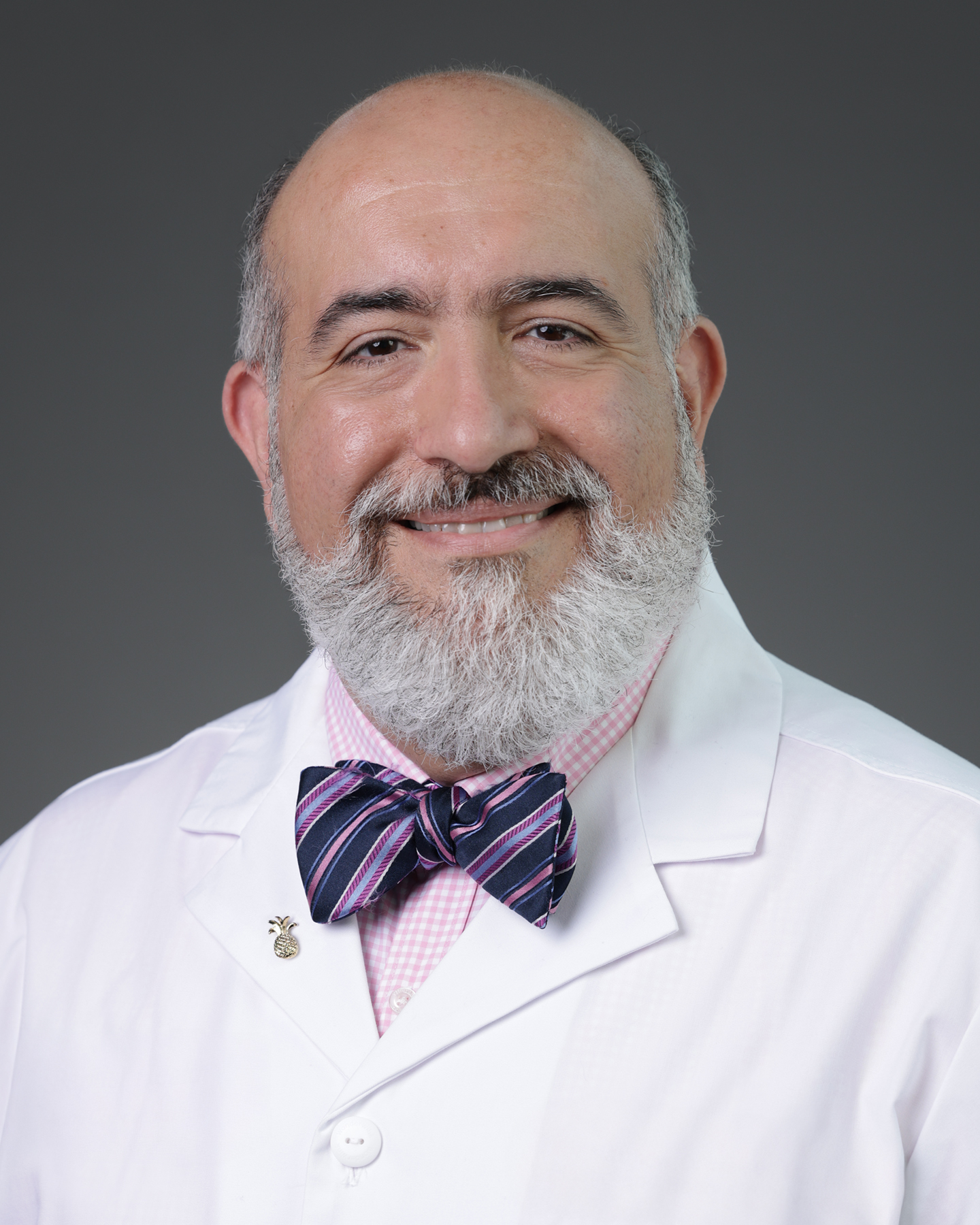
Mehran Habibi, M.D.
This shift represents a broader trend Dr. Habibi calls “optimization.” Rather than simply de-escalating care, physicians are finding the right treatment for the right patient. For some, this means less extensive surgery. For others, it involves sequencing systemic therapy before surgery to shrink tumors and improve outcomes.
The Expanding Role of Robotics
Robotic surgery has already revolutionized gynecologic oncology. Dr. Diaz explains that these platforms allow surgeons to perform complex procedures through small incisions. This approach reduces recovery times, lowers the risk of wound infections and improves visualization during surgery.
The technology acts as an extension of the surgeon. It offers augmented visualization and allows for precise movements that mimic the human hand but with greater stability.
Robotics in Breast Surgery
While robotic surgery is standard in gynecologic care, it is now making inroads into breast surgery. In Europe, robotic mastectomy is already in use, and it remains investigational in the United States.
Dr. Habibi explains that robotic nipple-sparing mastectomy allows surgeons to place incisions in hidden areas, such as under the breast, rather than on the visible part of the chest. This technique could offer superior cosmetic results while maintaining oncologic safety.
AI as a “Lane Assist” for Surgeons
There is often concern that AI might replace medical professionals, but experts view it differently. Dr. Diaz compares AI in the operating room to “lane assist” technology in modern vehicles. The AI does not drive the car, but it warns the driver if they drift too close to a hazard.
Similarly, AI can overlay images during surgery to identify critical structures, blood vessels or ureters. This guidance helps surgeons avoid complications and perform safer, more precise dissections.
Tailoring Treatment with New Technologies
Beyond surgery, 2026 is seeing major strides in systemic therapies and diagnostics. Physicians are moving toward highly personalized medicine where treatment plans are based on the specific biological markers of a patient’s tumor.
Circulating Tumor DNA
One of the most promising developments is the use of circulating tumor DNA (ctDNA) and minimal residual disease (MRD) testing. These tests detect microscopic fragments of tumor DNA in the bloodstream.
This technology allows doctors to monitor how well a patient responds to treatment. If a patient is on maintenance therapy and their ctDNA is negative, physicians may eventually be able to de-escalate treatment earlier, sparing the patient from unnecessary side effects. Conversely, if markers remain positive, therapy can be adjusted immediately.
Antibody Drug Conjugates
New classes of medications, such as antibody-drug conjugates (ADCs), are also changing the standard of care. These drugs act like guided missiles, delivering chemotherapy directly to cancer cells while sparing healthy tissue.
Dr. Diaz notes that while first-generation ADCs were effective, the newest generation features improved targeting mechanisms. This results in better outcomes for gynecologic and breast cancers.
Prevention and Screening Remain Vital
Despite these technological marvels, early detection remains the most effective tool in cancer care. Dr. Habibi emphasizes that screening tests, such as mammograms, are essential. Finding cancer early often leads to less aggressive treatment and higher cure rates.
The Importance of Vaccination
For gynecologic cancers, prevention is possible through the HPV vaccine. Dr. Diaz points out that cervical cancer is a disease that could be eliminated. However, vaccination rates in the United States lag behind other developed nations.
The HPV vaccine is recommended for both boys and girls before exposure to the virus. It prevents several types of cancer, including cervical and head and neck cancers. Ensuring widespread vaccination is a critical public health goal for reducing cancer cases in the future.
Looking Ahead
The innovations of 2026 are setting the stage for a future where cancer care is more effective, less invasive and deeply personalized. With the upcoming opening of the region’s first dedicated Women’s Cancer Center at Baptist Health, patients will soon have access to these multidisciplinary advances under one roof.
By combining cutting-edge technology with expert collaboration, the medical community continues to push boundaries to improve the lives of women facing cancer.
Click here for more information on cancer care services and clinical trials available at Baptist Health Miami Cancer Institute.
