
A More Direct Route to Intervention: Baptist Health Expands Surgical Pathways for Drug-Resistant Epilepsy

For patients who continue to have seizures despite appropriate anti-seizure medication therapy, timely referral for surgical evaluation can change the trajectory of care. The central clinical question is often the hardest to answer: Where are the seizures originating?
At Baptist Health Miami Neuroscience Institute, expanded use of robotic stereo EEG (sEEG), growing experience with responsive neurostimulation (RNS) and a coordinated multidisciplinary epilepsy surgery pathway are helping physicians move patients more efficiently from localization to treatment planning.
Aviva Abosch, M.D., deputy director of Miami Neuroscience Institute, serves as director of epilepsy surgery, co-director of functional neurosurgery and Esernia Endowed Chair in Surgical Treatment of Adult Epilepsy & Movement Disorders.

Aviva Abosch, M.D.
“Determining where seizures originate drives the entire surgical pathway,” Dr. Abosch says. “It informs whether a patient is best served by resection, laser ablation, neuromodulation or continued medical management.”
When to Consider Referral
Referral to a comprehensive epilepsy center should be considered as soon as a patient is determined to have drug-resistant epilepsy. According to the International League Against Epilepsy (ILAE), drug-resistant epilepsy is defined as the failure of adequate trials of two appropriately chosen and well-tolerated antiseizure medication regimens, whether used as monotherapy or in combination, to achieve sustained seizure freedom.
Once a patient meets this definition, further trials of additional antiseizure medications are associated with a progressively lower likelihood of achieving seizure freedom. At that point, patients should be referred for a comprehensive epilepsy evaluation to determine whether they may benefit from epilepsy surgery or other advanced treatment options.
This evaluation is particularly important for patients with focal epilepsy, especially when the seizure focus is difficult to localize, scalp EEG and neuroimaging findings are discordant or inconclusive, seizures are suspected to arise from bitemporal or multifocal networks, or the epileptogenic zone involves eloquent cortex. Comprehensive evaluation may identify patients who are candidates for resective surgery, laser interstitial thermal therapy (LITT), or neuromodulation.
According to Luis Tornes, M.D., neurologist and director of the epilepsy program at Miami Neuroscience Institute, timely referral is essential.
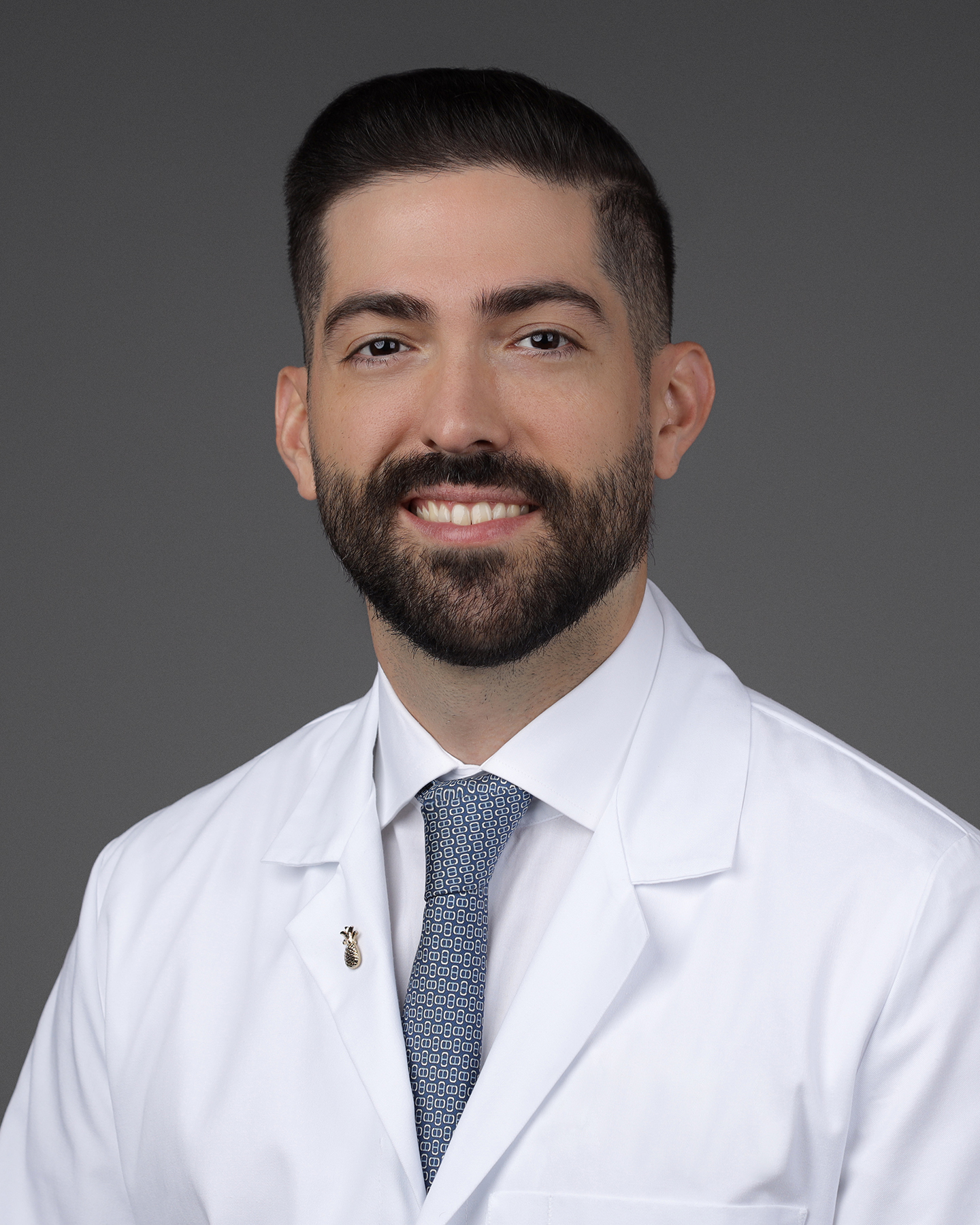
Luis Felipe Tornes, MD
Seeing Where Seizures Originate
Miami Neuroscience Institute is strengthening its epilepsy surgery pathway through robotic sEEG, expanded neuromodulation capabilities and coordinated multidisciplinary review. The Institute recently completed its first robotic-assisted depth electrode implantation and has performed additional advanced RNS cases, including thalamic implantation.
Dr. Abosch frames sEEG as a core component of the modern epilepsy surgery workup.
“Stereo EEG has become a fundamental part of the current approach to figuring out where seizures are originating, so that we can take the next step,” she says.
Scalp EEG can suggest seizure patterns, but it is limited by distance, tissue interfaces and the tendency of epileptic activity to propagate before reaching the surface. As a result, activity recorded on scalp EEG may not always reflect the true onset zone.
“By the time seizure activity is recorded on the scalp, spread may already obscure the true onset zone,” Dr. Abosch explains. “Depth electrodes allow more direct sampling of suspected seizure networks and therefore more confident treatment selection.”
Findings from sEEG can help distinguish patients who may be appropriate for resection or laser ablation from those better suited for neuromodulation, particularly when seizure onset involves eloquent cortex, bilateral temporal structures or broader epileptic networks.
How Robotics Changes the Workflow
At Miami Neuroscience Institute, robotic assistance is changing not only the precision of electrode placement but also the procedural workflow. In frame-based implantation, each trajectory requires repeated adjustment of coordinates and hardware. In cases involving multiple electrodes, this can result in a long operative day and cumulative fatigue for the team. With robotic placement, the system can transition quickly and accurately across planned trajectories.
“You take a case that used to be more than 12 hours and make it three hours. That is beneficial for the patient for a number of reasons,” Dr. Abosch says.
Shorter operative time can mean reduced time under anesthesia, less procedural friction and a more scalable approach to complex phase-two cases. “It also aligns our program at Miami Neuroscience Institute more closely with current practice patterns at major epilepsy centers elsewhere,” she adds.
Expanding Neuromodulation Options
In addition to robotic sEEG, Miami Neuroscience Institute is expanding its use of neuromodulation for selected patients with drug-resistant epilepsy.
Dr. Tornes points to the Institute’s growing experience with responsive neurostimulation, including bitemporal and bithalamic implantation. Recent cases have included thalamic implantation involving the central median nucleus.
For patients who are not ideal candidates for resection or ablation, RNS can provide another treatment pathway, Dr. Tornes says. “This may include patients with bilateral seizure onset, seizure onset involving eloquent cortex or broader seizure networks that require a neuromodulatory rather than ablative approach.”
What Referring Physicians Can Expect
Dr. Tornes says the value of a comprehensive epilepsy program lies in coordinated participation among fellowship-trained epilepsy surgery, dedicated epileptology leadership, neuroradiology and multidisciplinary review.
“For referring physicians, the goal is to provide a clear and efficient path from referral to surgical evaluation,” Dr. Tornes says. “Patients referred to Miami Neuroscience Institute undergo multidisciplinary review, advanced imaging and epilepsy monitoring, with treatment planning tailored to the suspected seizure network and the patient’s clinical profile.”
Outside records, including seizure history, medication history, EEG reports, imaging and prior surgical evaluations, can help expedite review. The team’s goal is to determine whether the patient may benefit from resection, laser ablation, neuromodulation or continued medical management—and to do so without unnecessary delays.
A More Direct Route to Intervention
For neurologists and other referring clinicians, the message is clear: Patients with drug-resistant epilepsy should not wait years for surgical consideration. At Baptist Health Miami Neuroscience Institute, robotic sEEG, expanded RNS capabilities and multidisciplinary epilepsy surgery review are creating a more direct route from localization to intervention.
For the right patient, that combination can broaden therapeutic options, improve confidence in treatment selection and meaningfully change the trajectory of care.
