A New Era for Pancreatic Cancer Prviously Recorded: Thursday, November 5th, 12:30-1:30 PM ET
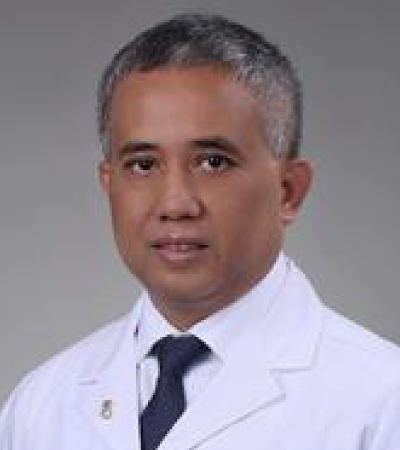
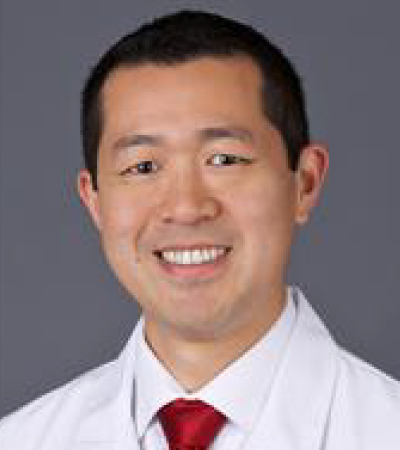
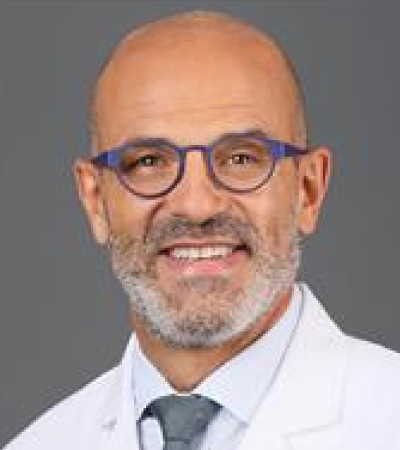
Pancreatic cancer care is entering a new era, driven by groundbreaking advances in translational research, precision medicine and multidisciplinary collaboration. Join Kyaw Aung, M.B.B.S., Ph.D., Michael Chuong, M.D. and Horacio Asbun, M.D. for an in-depth discussion on the latest developments transforming outcomes for patients with pancreatic cancer.
Drawing on Baptist Health's leadership in clinical research and innovation, this webinar will explore emerging targeted therapies, advances in molecular profiling, evolving treatment strategies for localized and metastatic disease, and the growing role of multidisciplinary care in improving survival and quality of life. Faculty will share practical insights on patient selection, referral considerations and how clinicians can connect patients with leading-edge therapies and clinical trials. Discussions will also highlight how recent breakthroughs are reshaping the future of pancreatic cancer treatment and offering new hope for patients facing this challenging disease.
Emerging targeted therapies and their impact on pancreatic cancer treatment
Advances in molecular profiling and precision oncology
Multidisciplinary approaches to localized and advanced pancreatic cancer
The role of surgery, systemic therapy and clinical trials in improving outcomes
Patient selection and referral considerations for specialty care
Research innovations shaping the future of pancreatic cancer management
Opportunities for community physicians to connect patients with novel therapies and clinical trials
Faculty:
Michael D Chuong, MD
Horacio Asbun, M.D. Herbert Wertheim Cancer Institute
All right. Good afternoon, everyone. Uh, and thank you so much for joining us today. I'm Doctor Michael Chung, uh, vice chair and medical director in the Department of Radiation Oncology with Baptist Health Cancer Care. Pancreatic cancer continues to present significant challenges, but advances in systemic therapies, radiation treatment, and surgical techniques are creating new opportunities for patients across different stages of the disease. Today, I'm joined by two of my esteemed colleagues, medical oncologist Doctor Jia Ong. And surgical oncologist, Doctor Horatio Aspen, to explore how these developments are influencing our approach to pancreatic cancer. We'll walk through several clinical scenarios from potentially resectable disease to locally advanced and metastatic pancreatic cancer and discuss where research may take us next. Throughout the discussion, we'll look at what is new in pancreatic cancer and also how our institutional expertise and multidisciplinary approach can lead to better outcomes for patients. So, Horacio, um, if I can start with you first, uh, I'd like to begin with the surgical perspective, uh, since surgery really is the, uh, only known potential curative outcome for pancreatic cancer. So can you share with us what has really been, uh, exciting in the last 5 years in the world of surgery for pancreatic cancer? Thank you, Michael. Thank you for having us. Um, a lot of things have been exciting. Uh, but, but let me start by the main change, um, if you see overall picture. And uh basically the main change is the surgeon no longer makes the decision by himself or herself when to do the surgery. In the past, we were all, we decided which patients go to surgery, which would they, the, which ones do not go to surgery. The truth of the matter is now we have a multidisciplinary approach. And even though it's a click phrase, everybody says we have multidisciplinary approach, we have tumor boards, etc. you know, at our institution. We definitely have a multidisciplinary approach. Then, um, it, it is an interesting transition because you know, we surgeons are a big ego. Then at the beginning, having other people give any opinions about when do I do the surgery or not was not fun. But as you learn and as you start working with people that are the quality of people that we have at our institution. You start to enrich your knowledge. You start to understand more what the other people are doing. And as a surgeon that has enriched me and um it just now it's a reflex. We don't decide by ourselves. We bring the patients to tumor board and we're able to do that. And that's a big change for surgeons that you guys probably don't even think about it. Um, we have to swallow our ego, um. The, the other parts and, and I know we're going to be talking about more specifics later, but in general, this resurgence of a minimum invasive approach, meaning rather than doing a big surgery with big incisions, sometimes Costal, meaning on both sides of, of the costal margin below the costal margin um or a big midline incision, we can do this with a minimum invasive approach. There is no question and the literature has proven very clearly that for left-sided lesions, for neck lesions, the minimum invasive approach is, uh, is the one to go. Um, there are multiple advantages. Uh, in terms of ripples. There's still, um, you know, a little bit of debate. However, more and more science shows that there's also a significant advantage for the minimum invasive approach and this has happened because we have now, I'm gonna say democraticized the minimum invasive approach. Uh, I am very fortunate. I've been doing minimum basic approach for over 24 years and we did it with the laparoscope. The laparoscope, as you know, is kind of a telescope that we put small, uh, with the small incisions, we put the trochers and we use the instruments and, um, and that, um, was very, it's very beneficial for the patient, um, but it took a lot of effort to be able to develop the skills and to disseminate those skills. Then it ended uh having a very small group of surgeons that was able to do this uh in regular basis and able to transmit that knowledge because it was, it's basically impractical, it takes a lot of effort and so on. Um, the robot came in. And the robot is not magic, you know, people like to be operated by the robot or by lasers or this. There's no magic. The robot just what it did. It's a tool that's controlled by the surgeon and it allows and facilitates um the learning of the minimum invasive approach and the difficulty has decreased significantly. I'm not saying it's easy. Any pain your surgery is. Still extremely complex, but it has helped a lot of, a lot of surgeons. That's amazing. Um, can you actually, uh, clarify, um, or, or touch on one aspect of, of surgery that I think is really it's, it's, it's very relevant for the discussion for the rest of the webinar, including say borderline resectable and also locally advanced disease from the standpoint of vascular. Section and reconstruction. So, you know, as the audience may know, many of the tumors that are diagnosed in the pancreas are at least abutting if not sometimes encasing that major vascular structures. So can you speak to how, um, you know, the thought process about resecting some of these, uh, tumors with significant vascular involvement has evolved over time and, and how do you think about that? Yes, I mean, the, the, in the past, um, we hesitated to do surgery. Um, if the lesions were involved in some of the vessels. Um, however, thanks to our colleagues and we're gonna be talking later, um, uh, about medical oncology and thanks to you with radiation, thanks to another colleague, Rajnarayanan and his team in terms of the irreversible operation, um, these tumors now are changing. And uh for us surgeons, it is very rewarding. Finally, we're seeing something that's making a difference. Then um we're able to decrease the size of these tumors to the point that Um, now we do the surgery resecting or not resecting the vessels, meaning taking a part of the vessel or a part of the wall of the vessel. The, the term borderline resectable, uh, as you know, has different, um, different connotations according to what, uh, what the description is, but basically is a certain degree of abutment. Or encasement of the vessels. Um, the term, the term completely resectable means, you know, it's far from the vessels and the term locally advanced means that it is involving the vessels to the point, um, uh, that is locally advanced and we don't consider surgery. However, this latter term. It's evolving and it's evolving very quickly as we're gonna probably talk later in the seminar. OK, yes, thank you so much, um, I, I was, uh, Joe, I was saying about medical oncology, um, I, I'm sure Michael is gonna tell us all about, you know, the, the, the wonderful things with radiation that he does, but, uh, I have to say. Through the years I've sat in seminars like this and webinars and talks and, and particularly in November, right? Pancreatic Month and I think this year is different because we finally have a lot of good stuff that are making a significant change and I feel that there's an, we are probably at an inflection point. Then, um, why don't we start from the beginning if you're so kind, tell me a little bit about chemotherapy, how it has changed over the last years. How have you guys are allowing us to do more surgeries in patients than before we didn't. Uh, thanks Saracho. Um, yeah, I mean, you are absolutely right in saying that we are at the inflation point, um, especially with the new drug deployment, uh, evolving the RAS targeted therapy. And, but in terms of getting back to um neoadjuvant uh preoperative chemotherapy setting. Uh, I have an opinion that pancreatic cancer is a systemic disease, and we really need a multidisciplinary approach, like you said, it is just not just for the chemo, chemotherapy, surgery, and radiation, and um there's a combination approach has really make a difference, right? Um, in terms of the chemotherapy, um, there's a lot of talk about obviously neoadjuvant versus adjuvant that has always been evolving. Uh, in the United States, we really have taken the approach of the neoadjuvant approach, mainly because that we think that this is a systemic disease. And in clinics, If you actually think about it, um, if we give the chemotherapy before the surgery, my experience is that they tolerate the treatment a lot better as well. And after the surgery, like a reverse surgery, is really a struggle sometimes for the patients to really take the full dose of the chemo. And we all know that the delay in starting adjuvant chemotherapy is detrimental to the outcome. So in terms of the practical, Points of view, I think it is a lot easier to give chemotherapy alpha and biologically also allow us assessing whether the response to chemotherapy or not, because we have a radiology assessment, tumor marker assessment, now the cTDNA is also evolving. So we will maybe be able to do like a tumor agnostic uh cTDNA testing to monitor response to new adjuvant treatment better. You know, in patients, sometimes we do see the patient, they don't really have a good tumor marker response. When you really do the radiology assessment, they don't normally have a lot of shrinkage of the tumor, right? Because there's a lot of fibroid tissue in the pancreatic tumor, and assessing then how they are responding, and maybe there's opportunity to really switch the therapy if the patient is not having a good response to new adjuvant treatment. Now, especially with the RAS individual, they are now proven the second line setting of the advanced disease, but we are now seeing a lot more trial is coming into this very operative space. So that will really change the outcome, uh, in my opinion, in the, in the next few years' time. That's excellent. Can you expand a little bit in terms of, since it's a systemic disease, um, the liquid biopsies, circulating tumor cells, um, what is the role, and of course they have been on vogue lately. Um, uh, do, do you feel that that's gonna evolve further? Uh, what are the applications today? Yeah, so they circulated to your DNA, uh, currently in pancreatic cancer, I would say that this is still in the resource setting because we don't, we kind of know from the studies that this is prognostic, right, basically patients postoperatively, they do have a high CD DNA level, then you kind of know that they would, their disease will recur sooner. So, but on the other hand, um, how do we really make sure that We understand the dynamics of how CTDNA evolving during new adjuvant treatment or during adjuvant therapy, we still really haven't really got a lot of, of good quality data right now. For example, patients will be uh assessed for cTDNA mutation or many residual disease brought in. But the time point of getting the blood test is usually around sometimes 4 weeks, 8 weeks is not consistent pattern. So I'm in favor of really studying the cTDNA dynamics during your adjuvant and adjuvant setting within a prospective collection, understanding the outcome, and the also how do we actually treat with the minimal residual disease uh after the surgery. Um, it really has to be tested, uh, within the clinical trial with the new investigation agents. And another thing which I think is quite important to mention is that preoperatively, if you, after end of the new adjuvant treatment, And CT DNA remains positive, then how does that impact the surgical outcome? So that is really one of the very interesting research questions to me. So it's evolving, but we will, I'm sure we'll have a lot more data in coming years, and we will really understand more. Yeah, I, I mean, I, I would say I'm particularly excited by, you know, the future of what patient selection and personalization of therapy. Is whether it's systemic therapy or surgery or radiation, um, because you know historically and even today largely it's a, um, you know, we're, we're not, we're, we, we don't have, uh, as many biomarkers as we really need to select patients based on treatment response or whatnot. So things like CTDNA I think are really exciting, um, you know, novel imaging biomarkers, you know, molecular, you know, profiling of patients to, you know, maybe. Um, you know, recommend systemic therapies or, or other treatments. I think is, is probably the future of, of where, you know, um, of how we're going to get to the next level of, of helping these patients. Yeah, absolutely, I, I completely agree, particularly when you see what has happened in other cancers, right, breast cancer, lung cancer, how the prognosis have changed, and all of that is individualization because of molecular analysis, exactly, yeah. And my, I just wanted to ask you a bit more about the um radiation treatment in the preoperative setting, especially for the borderline resectivorous disease. And then they can just really uh educate us a little more on the astro guidelines and how things are changing. Sure, uh, thanks for that question, John. So, um, you know, so radiation therapy, I would just start by saying in general, um, really has been a bit controversial in terms of its benefit to patients in different subsets of, of pancreatic cancer, whether it's resectable borderline, uh, local events or even metastatic. Um, you know, what I think, um, is important for the audience to really understand is, you know, the, the recommendations that have historically been made about radiation's use. Uh, largely has been actually related or actually been based off of, um, older studies that don't reflect current contemporary modern radiation therapy. Um, and that is an important consideration, especially for patients who have intact or unresectable pancreatic cancers, uh, because being able to deliver a certain high or ablative dose to tumors is really critical to having the best long-term local, local control or even, I would even dare say potentially. Eradication of tumor in, in some cases. And we know this actually because, uh, you know, some of these patients have, have gone to your operating room and have had complete pathologic response. Um, and you know, I think the radiation plus the systemic therapies obviously contribute to that. Uh, but nonetheless, modern radiation therapy is very different than what conventional historical radiation therapy has been, specifically in being able to deliver meaningful doses to tumors that are unresectable. Um, you mentioned the Astro guidelines, so let me explain a little bit about that. Um, so ASTRO is the, is the, um, American Society for Radiation Oncology, uh, and there are practice guidelines for different cancers that are published or developed through the, um, through ASTRO that really guide practice not just in the, in the United States but also, uh, globally. So I had the extreme pleasure and, and I was very fortunate to be one of the co-chairs for the 2026 updated uh astro-pancreatic guideline. And in that I would summarize the key. Um, uh, uh, uh, not just findings, but the key material in that updated guideline was really highlighting, uh, newer randomized trials, uh, more firmly establishing the role of radiation therapy for a variety of pancreatic cancer subsets, including, uh, resectable disease, uh, in the, in the borderline resectable as well as locally advanced settings. And even in the now oligometastatic setting, the role of radiation therapy, um, is having much more of a role, and we'll talk about that a little bit later. Um. The other aspects of the guideline was, was really to highlight how um there really is a strong recommendation now to consider ablative radiation therapy, uh, which as I was mentioning before, historically had not been really um um uh felt to be safe because the technology that existed, um, it was not able to, to deliver these really high doses safely when we're treating tumors that are very close to if not directly abutting the stomach and the bowel which are very sensitive to high doses of radiation. Um, so I, I can explain a little bit more when we, when we talk more about locally advanced disease, but, um, the ability now to deliver truly ablative doses of radiation to even very, very large tumors well beyond 5 centimeters in size despite abutment of the stomach or the bowel, um, to with the, with the dose, you know, the relative dose being maybe 3 to 4 times higher than the. Highest dose SBRT that you could deliver with the standard LINAC um is something that we've been, um, and I'm very proud that we've been uh pioneering uh institutionally as one of the first centers to um to develop an an ablative MRI guided radiation program starting in early 2018. So we've been doing this for quite a while and uh we can talk more about um about the outcomes. Uh, in a little bit, uh, especially as it relates to locally advanced disease. Uh, and then let me briefly touch on the first question you asked about borderline resectable because, um, that is, uh, of course, very controversial. So borderline resectable disease, um, as you both well know, is, um, you know, it's, it's in the, it's between purely resectable and, and clearly well, um, you know, clearly large local advanced tumors. And these are tumors that, um, you know, a large percentage of could potentially go to surgery and have negative margins. You know, there are randomized data now of preoperative chemoradiation improving, uh, not just local control but overall survival. So there was the pre-opank, uh, in the pre-opank 2 trials that randomized patients to, um, either upfront surgery or, um, to chemotherapy alone. Uh, and both showing that there was efficacy with chemo radiation in the preoperative setting. Um, how, how best to integrate that with Induction chemotherapy, which was not tested in those trials is, is really unclear. Uh, but I would say there definitely is a role and in the guideline, there was a strong recommendation for preoperative chemoradiation, um, in the borderline resectable population. I think really one important conceptual aspect to, to really bring up is, you know, the role of radiation to address gross tumor abutting the vessel. I think that there probably is something there to facilitating our zero resections. Um, but really I think what is not appreciated in, in a lot of um discussions is how radiation therapy really is an effective means to better control if not eradicate microscopic disease, which we know is, you know, infiltrating, uh, major nerves. The, you know, major vascular structures like the SMA, uh, and also can of course be in, uh, lymph node regions as well. Uh, and, you know, those are sources of recurrence even after R0 resections in resectable patients. Um, so, you know, the preoperative use of radiation, I would say, um, maybe even more importantly than just treating the gross tumor alone is actually in the sterilization of, you know, perineural and nodal, uh, regions that could potentially in the future lead to otherwise, you know, regional recurrences. Yeah, absolutely. I mean, for me, I think that during the 6 hour training and now, I think previously, you know, and during my training times, everybody's a little bit reluctant to do radiations to pancreas. Like sometimes they're worried about the toxicity. But now in my clinics, patients who have the radiation treatment, they absolutely do extremely. Well, and you can actually see that there's a lot less toxicity than before. And one thing which I just wanted to touch on, touch upon is patients who are not fit enough to have big surgery with, especially patient with a pancreatic head tumor, we cannot really do the whipple surgery. Um, medical comorbidities because of the age, then I think that's the, um, the role for the radiation is could be to very beneficial, right, for these patients. Uh, I had a patient, uh, a few patients who declined surgery, they are receptible disease, but for some reason they don't want to. Have a surgery and we do treat um with the radiation alone and I was kind of surprised how local control lasts longer or something. So can you just really talk a little bit about these patients groups who are very challenging to manage and then the, I know that you have a very Keen interest in that, that patient's group. So, um, if you just really share your thoughts, yeah, I appreciate it and actually I want to get Horacio's thoughts on it as well after I make some comments. So, um, you know, sexual pancreatic cancers, um, are, you know, typically, you know, smaller than, than, um, locally advanced tumors. But nonetheless, a lot of these patients don't have surgery for the reasons you mentioned, medical comorbidities or a smaller percentage of patients decline surgery who are, who are able to otherwise physically be fit and go through surgery. Um, you know, there's, there's actually no prospective trial that I'm aware of, and I don't know if, if you know of any in that population of patients who's resectable technically, but do not go through surgery for whatever reason. Uh, and if you look at the retrospective data, the survival outcomes are, are very, very poor. Uh, you know, approximately maybe 2 year survival might be as low as 10% in these patients, um, who otherwise typically would receive chemotherapy alone or best supportive care at many centers. And while radiation therapy can be used, um, that is, I would say, probably not what most patients are being recommended at, at most centers. Uh, you know, I'm, I'm excited that we've been an adopter of definitive and ablative radiation therapy for these patients and the outcomes that, uh, we are publishing now are very, very favorable compared to historical. Um, and, you know, this is just a, a patient population with significant unmet need that, uh, based on, on what we've been able to achieve actually in our locally advanced population with a blade of MRI guided radiation with, um, you know, long-term control rates actually as high as 90-something%, um, you know, you would, you would, you would, um, you would think that for smaller tumors that are technically, um, more straightforward to treat in a lot of ways, but the local outcomes would be, um, likely similar if actually not better. So, it's still early days, you know, the question is how best to study, you know, uh, novel treatments in these patients. We are, as you know, we've been discussing some concepts, uh, potentially including, um, uh, KRAS inhibitors which are now exciting. We'll talk more about that. Uh, but you know, I think very much a population that needs a lot of attention because there's a lot of patients out there who, um, you know, need better options to, to manage these tumors. So I don't harass you with your thoughts on. On these patients because you, you see them in your clinic and we always see in the clinic, um, but let me start by telling Joe what's the secret strategy that Michael has. He's trying to use these patients and go to surgery to prove that radiation is as good as surgery. I'm just joking. Um, what he doesn't know is that if that were ever to happen, if there is a KRAS inhibitor, a combination with radiation that Makes the patients survive and be cured. We surgeons are going to be happy because especially the ones that have been doing this for a while. Now, the, the reality is despite of all what we have talked in the past, the prognosis is still remained not. Good. Now again we're at an inflection point and that makes us all of us happy. Then as we work more and more on the multidisciplinary team, whatever part of the multidisciplinary team shows a best result, that's where we're all gonna gravitate. Now, having said that, um. I do believe that uh that these patients benefit, particularly the ones with neoadjuvant um uh and I was not when I arrived to our institution convinced that radiation was the thing to do because obviously radiation therapy brings uh more difficulty to our surgeries. Um, that as you know, we have, we have changed the timing of when do we do the surgery. The traditional timing of 6 to 8 weeks, we have changed it now and it's much shorter and that has helped us tremendously with the technical. Um, with the technical part and um we believe that the patients do well. Uh, we have been surprised with the fact that we have a less number of lymph nodes positive and we're studying that, you know that, and um we have had not all the time but occasionally we have had complete remission of the specimen. Then of course we like it. There's nothing more frustrating for a surgeon to do a big surgery and 2 months later, 4 months later, a year later, the patient has a recurrence. Then we're willing to put up. With your radiation therapy impinging in our surgical technique to be able to get good results. That's the sum of it. OK. I appreciate your, um, your, uh, your patience with us with the radiation. So, um, OK, great. So why don't we move on to, um, to locally advanced disease, um, Joe. So, um, you know, locally advanced disease is, is, uh, is a disease that is treated with a multidisciplinary approach and typically with starting with systemic therapy. So, um, can you share some thoughts about, um, one, you know, how the, um, sort of that induction phase is evolving now with the Pinova 3 trial, which is a trial that incorporated something called Tumor Treating Fields. Um, you know, and, and ultimately, you know, also for you, Horacio, how we think. About, uh, which patients may ultimately be potentially receptible after some initial systemic therapy and possibly radiation. So we'll start with you, John. Yeah, I think the, uh, conventional approach is that the, um, for locally advanced patient, we normally start with the fulfirinox chemotherapy induction if they are fit patient, right? Performance status equal performance is 0 to 1. Obviously, the Panova study Panova 3 study, um, which is um combination of GN Napalitaxol plus the uh tumor treatment field, um, treatment, um, is very Interesting. Uh, the main reason is that it's not only improved the overall survival, uh, compared to the chemotherapy alone, and it also really improved the patient's symptoms, right, because you, if you actually look at time to pain management, it is significantly longer and in patient with the chemo treatment fee group. So I think that is really um key um result, um. As you know, patients with a locally advanced disease, they have a lot of symptoms, right? So if we can really use something combined with the chemotherapy, um, to really improve their symptoms, symptoms, it is definitely beneficial. Although survival differences was not that, that huge, I think the symptoms improvement is, is very significant. I mean with that result, I will kind of think about uh when I see a patient with a local advanced cancer, whether they are definitely fit enough to have. Fulfilling of chemotherapy or not, if they are not fit enough, then I would, uh, definitely incline to use the gen nepalitaxel plus the DTF fuel. But again, that's the unanswered question, right? Because in the patients who are having induction chemotherapy with the fulfillinox, whether using the DTF treatment, few treatment could also improve the symptoms. So I think this is something that we really need to think a little bit more, getting more data, probably the real-time prospective data collections and look at these patients. Um, have, uh, improved symptoms in, in, in during the chemotherapy treatment. I think the more interesting point for me is that in, in panel 3 study, obviously there's no radiation was used. Um, so in Our clinic, we will do induction chemotherapy for 4 to 6 months. I say 4 to 6 months, mainly because if the patients are not having a lot of good response to chemotherapy, in terms of the radiologically or biochemically or symptomatically, I really wanted to switch them to the radiation treatment a little bit earlier, but the patients are responding well, tolerating well, and then with the improved symptoms, then I would probably try to push it to 6 months and then and then switch to really definitive radiation. But again, I think how can we actually optimize all the tools we have chemotherapy, TDF fuel, and then obviously with your MR MR guided radiation, I think that is really an open question, and it will really be good to really Um, think about how best we actually study these patients. Yeah, yeah, I agree with you, you know, and, um, actually just to, to mention, as you know, we have, uh, actually a trial at our institution, um, that is, uh, studying actually all three of those. So it's actually in locally advanced pancreatic cancer. Patients who get induction chemotherapy, either gemcitabine, Napacataxel, and or FOLFIRInox, and those who do not progress would receive ablative radiation therapy with the MR-LANA, um, but they also would receive tumor treating fields in a different sequence than was studied in POva 3. So the, it is actually delivered predominantly as a maintenance therapy, uh, after the radiation therapy is done. Uh, and the hypothesis that I had when I wrote the protocol was, uh, was that it hopefully would help decrease or at least prolong significantly the time to distant metastatic progression, which as you know, is, is primarily in the liver and in the peritoneum, which is intra-abdominal, of course. So the TT fields is delivered to the entirety of the abdominal cavity. And what was actually interesting to me was in the POA 3 trial, there was a post-hoc analysis for distant progression-free survival. And that was significantly longer in favor of the TT Fields arm. Um, and so that I think that adds some, um, some, you know, some potential enthusiasm for the study that we have which is testing this, uh, in a, in a manner to hopefully prevent, um, you know, future abdominal progression. So, um, our trial is almost completed, so, um, you know, hopefully in the next year or so we'll have some exciting outcomes there, but Um, you know, appreciate, appreciate your thoughts about TT fields. Yeah, I think it's, it is definitely evolving and it's definitely, it will be interesting to really understand for these patients, but what is happening inside the tube, right, because, uh, microenvironment modulation or immune stimulate stimulations happening or not, CDA infiltration. So I think correlative studies are also going to be extremely important. Yeah, I agree for sure, yeah, OK. Um And there's another thing is I think that the, I think you already touched a little bit uh before about this MRI guided ablative radiation. And then sometimes, you know, we hear about all these different techniques and different doses. But as a medical oncologist, um, it's really a little bit different sometimes difficult to pick out what the dose differences, how was it done? What is the real um difference between these technique techniques? And then how do you really make sure that when you're really given this kind of high ablative doses, really. that how do you make sure there's the other organ toxicities are minimized. So I mean if you really just tell a little bit more about that because I think this is a new innovative technology not many people are using, right? We are at the very forefront of the field. Yeah, yeah, thanks. So let me, um, let me, let me summarize as best as I can how what we've been doing here and what we offer patients, um, every. is very different than what is uh offered at many other centers. Um, so standard linear accelerators, um, are very, very good, you know, so linear accelerators are radiation delivery machine, uh, and they're excellent. They're very targeted and they, they, um, result in many, many cures for many patients. Um, however, for tumors in the abdomen, especially the pancreas, uh, standard linear accelerators have many limitations that prevent the accurate delivery of high doses of radiation. Uh, without unintentional delivery of radiation into the organs nearby, especially the stomach and the intestine. Uh, and that is predominantly for three reasons. So one is the imaging that is done for, for positioning and targeting on a standard linear accelerator is typically a CT scan. And that CT scan is, uh, not the same as the diagnostic scan. It's, um, it's a more fuzzy, more grainy, and there's, uh, usually a lack of an ability to clearly see the tumor and the intestine. Believe it or not, OK? Or the stomach nearby. So, the ability to clearly identify organs on a cone beam CT scan that we use for targeting is usually not, um, it's not as good as we would want it to be. So that's number 1. Number 2 is that the imaging of the patient inside to the tumor and the organs um around, that is actually not able to be, there's no imaging that's able to be done. Once the treatment actually starts. So the imaging that we get for positioning is all done pre-treatment. It's all before the actual treatment begins. And when we start to treat, and this goes for any tumor that we treat with a standard linear accelerator, there's no imaging inside the body, OK? That is a problem because as we treat tumors, especially in the abdominal area, uh, there's, there's expected change inside the body. Number one, from breathing. So breathing motion will cause the pancreas to move and the intestines, uh, in the stomach. But of course, there is constant parastosis of the bowel, uh, and that can actually cause significant change with the, um, with the position of the stomach and the bowel relative to the tumor. Uh, and then lastly is radiation therapy is almost always given over multiple days, if not multiple weeks. The regimen that we use here is a 5 consecutive day regimen. Uh, but regardless, the, the anatomic change inside anyone's body from day to day potentially is very large with respect to the fullness of the stomach or the position of the bowel relative to the tumor. With standard radiation machines, the distribution of the radiation dose is all, it's all fixed, meaning it is set based off of how the patient looks at the time of the simulation scan from mapping. But when the patient comes for the actual treatment, we know already that it will be potentially at least a little bit different or substantially different in terms of the anatomy. But the standard linear accelerator, we cannot adjust the radiation dose to account for those changes. The MRLINAC is a technology that overcomes all of those challenges. So one is MRI as you well know, offers superior soft tissue contrast and imaging compared to CT. Um, so we are able to see much more clearly even before we start treating. But importantly, we are able to get real-time MRI throughout the entire treatment itself. So I can see all of the abdominal contents in real-time from the very beginning to the very end of the treatment itself. So I can actually see the heart beating, I can see the lungs. expanding. I can see gas peristalsing through the bowel. And importantly, I can see the tumor as the tumor moves during breathing or breath holding. Uh, and that, that ability to track the tumor actually will allow us to automatically pause the treatment, say if the tumor now moves. Well outside of the, the, the, the correct area, so that we're not undertreating the tumor, and we're not overtreating, say, the bowel or the stomach. So that level of accuracy is unparalleled in terms of, you know, in terms of radiation. And then lastly, there's a capability called adaptive radiation therapy, which allows us to overcome the last problem I told you about, which is day to day normal physiologic variation in the anatomy inside the body. So those, the, the differences in gastric filling or emptying from day to day or the position of bowel loops from day to day, which will change, we can overcome from the standpoint of patient comes in for that. That given treatment, there's a new MRI scan in the MRLINAC. We can completely remap all of the anatomy, all of the organs in the tumor. I work with a very, uh, experienced team, including medical physicists, to adjust all of the doses on a millimeter basis to carve the high doses out of the stomach now if it's more filled and, and closer to the tumor than it was yesterday, for example. And we deliver that adjusted treatment plan, um, every single day. So every single day it's personalized radiation based off of how patients look that day. So when you combine all of those capabilities, it allows for not just a safer treatment, but a more accurate treatment, uh, and it allows us to deliver substantially higher doses of radiation. Uh, and actually, I think it's, it's, it's a, it's a little bit ironic that before the, the advent of this technology, we were delivering among the lower doses of, of, um, in the body for any tumors. Uh, with standard Linx for these pancreatic cancers, we were, we were not delivering higher doses. I mean, these were pretty low doses that are standard. We now deliver among the highest, if not the highest doses to tumors in the pancreas with this device than we do for almost any other cancer in, in other parts of the body, even those that are much more anatomically favorable. So, you know, that is translated into very, very, um, very encouraging and, and very favorable long-term outcomes. And as I mentioned before, you know, um, the vast majority of patients that we've treated over, over the last 9 years since we started this program have not had local tumor progression even without surgery. Um, and so we published, you know, 2-year control rates in the about 90% range, and there are now some other institutions reporting similar control rates, even, even without surgery. So I'm not trying to put you out of a job for us to, but, um, you know, uh, the way I explain this to patients is that, you know, patients who have tumors that ultimately can become resectable whether after chemotherapy alone or after chemotherapy and radiation, um, that should be, I mean that is the gold standard and patients should go to surgery. However, um, you know. There are, um, there are certain circumstances in which surgeries really are not safe despite the best efforts of chemotherapy and radiation. And then I'd love your thoughts on this, Horacia, but, you know, I would say in those cases, if surgery is not deemed to be feasible or safe, you know, patients who get treated, uh, here at Baptist Health, uh, really have a fantastic long-term, um, prognosis from a local standpoint with, with a blade of MRI guided radiation. So, you see patients on the other end of this, uh, horacia. I'm curious, you know, what, what is your perspective in And number one, you know, considering surgery after chemotherapy and radiation. Uh, you know, and should we be thinking, how should we be thinking about surgery in, in, in this context? Yeah, I mean, I, I, I think that, uh, you know, this just proves the point. You just explained how radiation has changed and it is fascinating. Um, and before I address your question, I have to say that all of these adaptive radiation and the higher doses deliver are great as much as, as, you know, the chemotherapies and the RAS inhibitors that we're gonna be talking a little bit. And, and there's another, you know, morality that we cannot forget that, uh, that we also have available that it is irreversible electro operation and we have among the best people in the world doing it with the most experience. Um, when, when irreversible operation started to come several years ago, you had to really open the patient and do the irreversible operation even we were not going to take the tumors out. We had to do that as a surgery. Today, thanks to the skills and the development of the technique and, and our operators, and we are able to do that percutaneously and for smaller tumors in these situations are also very, very useful as you know that. Then putting all together, it emphasizes the need of a discussion among all of us because more and more going back a little bit of neoadjuvant, I keep thinking. Should any patient go to surgery first? And I know that's still very controversial, um, but seeing how this is a systemic disease, how we know that patients have circulating DNA, how we have all of these other techniques that are gonna facilitate. The potential cure for the patient, then yes, surgery today still Mike, I'm sorry is the only thing that can supposedly cure the patient. That may change in the future, but am I afraid of that? No, of course, I said we would enjoy it. Not only that, but all of these added modalities are gonna make more patients suitable for surgery too in many opportunities. And if we are able to accomplish cure like in anal cancer with just added modalities, fantastic. But going back to your original question about, you know, the vascular involvement and all of these locally advanced, do we have now a conversion into resectable patients? It's an evolving field. With all of these technologies, I'm sure that in the future we're gonna say, my gosh, all of these that were non-operable locally advanced now are operable. And um at the same time, we have the resurgence of vascular resections. We did even before my time vascular resections and uh technically we can do, you know, and we surgeons again our ego is such that if the bigger the operation that we can do, the more we feel great about ourselves but People abandoned it and I, I, when I finished my training, I was all for abandoning these vascular resections because the prognosis was poor. Patients would die um and you would expose the patient to a very big surgery. Well now the surgery is still big, but with the addition of all of these other modalities we may be able to cure cure patients um and we are able to cure patients that before were considering non-operable then um. Um, as we were discussing before this, I'm very fortunate and, and that I'll be participating and chairing the, the validation committee at the guidelines on vascular resection next week in Italy, in 2 weeks from now. And, and that has really shown me how the world is moving towards more vascular resections. Even though I think we need to still be very, very cautious about it and we cannot throw the message out that yeah, now we should all do it because it is an operation that increases the morbidity and the mortality of the patients. Then all is about selection. About discussing with the patient and discussing with your multidisciplinary team. But definitely, Mike, this is an evolving field. It is fascinating and finally we're making a strong difference in pancreatic cancer. Yeah, no, I, I, I absolutely agree with that. So let's Talk about the RASE inhibitors. We have been flirting with the most important news in the last two months after about pancreatic cancer. Then tell us about it, educate us about, you know, what is this, this huge change that is coming to us as a tsunami, and it is fascinating to know. Yeah, thanks for our show. I think the um it's definitely like you said in the beginning that is an inflection point and the. Um, throso racid, which is the um MDRS inhibitor, um, has definitely improved, uh, survival in a second line metastatic setting. When you actually compare with the chemotherapy physician twice chemotherapy, then the survival, actually media world survival doubled from 6.6 to 13.2 months. And it is a single agent oral treatment, and it's very much moving away from multi-agent chemotherapy, right? So it's um And these patients already met one line of chemotherapy prior. So seeing this kind of survival advantage in second line setting has never really happened in pancreatic cancer field. So this is definitely uh revolutionary, um, and uh we are all excited about it. The more exciting thing is, you know, uh, now these RAS inhibitors are multiple types of RAS inhibitor in, in the field right now. And in the clinics, uh, for the clinical trial, they're now moving towards the fast line setting. So for example, uh, for the rasa rai, there is a trial, um, with the, uh, combination with the chemotherapy. A combination with the also this specific isoform specific individual, right? So this uh rasa ras is a PRS individual, so it can target any isoform, including the HRS and NRS. But on the other hand, toxicity we saw, especially with the GI toxicity and rush, is definitely significant. It is not uh as very clean as we would like to. But on the other hand, This kind of the isoform specific G12D inhibitor, G12V inhibitor, they are more well tolerated and uh toxicity is less. So combining some people like the revolution medicines now combining drugs soras with the G12D inhibitor and whether that can really improve the patient outcomes in the fast line setting compares to um chemotherapy. If you actually ask me this, this, well, this is feasible in 2 or 3 years ago, people will say no chemotherapy in pancreatic cancer. You will probably say you're crazy. But now we kind of started to see that this, uh, targeted treatment, uh, biological treatment without chemotherapy component is, is really the reality. Uh, and I'm, I'm gonna ask you a tough question. We know it's working with side effects. When are we gonna have the courage of saying, let's use it in patients that are not only metastatic. But also in the new adjuvant setting or or on other settings or borderline resectable, you know, new adjuvant setting, etc. yeah, absolutely, um, I think that is where the, the fee is now moving, moving to very rapidly, although there's no, uh, for in terms of the adjuvant trial. Uh, resolute 304, uh, which is really testing combination, sorry, um, after the new adjuvant and adjuvant chemotherapy completions to do maintenance, um, ras and raset. So this is a phase 3 trial are now open and recruiting. But I agree with you, uh, especially for the patient with the resective or borderline resective or locally advanced. And if we can really use this targeted treatment, the RAS inhibitor earlier, and then I think the patient outcome will be better. And like a following up on our last conversation with the locally advanced, I really think that this RAS inhibitor will make a difference, whether on its own or Combination with the chemotherapy to really improve um the local disease and then see improve the receptability uh it is it is uh it's really exciting time so just being cognizant of time I know we're we're having a fun discussion here and a very informative one. Um, and allowing for time for questions, um, for us to address questions if there are some in the chat. I did, before we go to the questions and answers, want to, um, get your thoughts about the evolving role of local therapy in metastatic pancreatic cancer, um, especially oligometastatic and even potentially oligoprogressive. So, Um, you know, crossing job, do you think that, you know, the future of local therapy is set to expand with, uh, you know, evolving systemic therapies? You know, how do you, how do you, how do you view that? Yeah, so the, in pancreatic cancer, you know, what we actually started to notice over the last few years is that there's a patient, subset of patients who are truly oligometastatic, right? And these patients are biologically favorable, they don't necessarily progress, um, um, they, they can, um, When they actually first presented, uh, there's a very limited amount of disease burden. And as you know, the extent trial, which was uh basically trying to really combine radiation with doing the fast line chemotherapy for these oligometastatic patients as the results were encouraging. And I really think that the selecting the patient is the key, right? So mainly, especially for these small volume metastatic disease, um we could uh potentially use Targeted treatment with a RAS inhibitor treatment initially and really select the patient well for the for the radiation selective radiation. Oh, I, I think that the to to pass to Horatio, some people will also argue that surgery probably has a role. Yeah, there's no question there's literature to there's no level one evidence to my knowledge yet, but when I was at Mayo Clinic, we published a limited. Series of very selective patients that uh had the same overall survival that patients that were resectable. Um there's data from Germany too that uh confirms that it's retrospective but uh definitely this is an evolving feeling all, all, all sides and again I'm gonna emphasize what we have discussed before and what just said now it's all about the selection. Yeah. No, I absolutely agree. I absolutely agree. Um, amazing. So, if there are questions in the chat, we can Um, try to answer some of them with the time that we have left. Um, so one of the questions is, uh, can patients initially considered inoperable become candidates for pancreatic surgery? Um, so we touched on this a little bit, but I don't know if you want to expand on, on, it's very briefly, yes, absolutely, depending on mainly on the biology of the disease, but a word of caution, make sure that the patient is assessed by a multi-specialty team and it is a reasonable multi-specialty team, not a surgeon that it is. Knife happy because there are multiple things to assess not only if I can cut it out or not. Exactly, yeah. Um, this next question, I think we addressed, um, to a certain extent. So this was how are emerging KRAS targeted therapies changing treatment options, um, for pancreatic cancer. So I don't know, do you wanna add anything to what you said before? No, I think the uh the point I wanted to make is that the now the standard treatment uh for the GR targeted treatment, the second line setting after fast failure of the systemic chemotherapy. On the other hand, FDA level also include a patient who may not be fit enough for combination chemotherapy, they should actually We considered fast line. The, the take home point, I think, is that when you really have the metastatic pancreatic cancer, you should really look out for the clinical trials, right, because there's so many trials now coming and you don't necessarily want to miss a good opportunity to participate in the trial. Yeah, a great point. Um, the next question is related to expanding, uh, treatment options with MRI guided radiation. I think the only thing I'll say there is, uh, you know, the predominant bulk of the literature that we've, um, That we've published is in locally advanced pancreatic cancer, uh, but establishing that this is an effective long-term and um safe treatment. Um, you know, I think really allows us to expand this to other substance of pancreatic cancer. So we didn't really talk, uh, about locally recurrent pancreatic cancer, but many of these patients who do develop local recurrences after surgery, as you know, are not resectable. Um, and in select patients who do not have this metastatic disease, that actually has been a, a growing part of our practice and, and my practice in treating patients with a blade of radiation therapy who have local recurrences. And some of these patients can do exceptionally well for a long period of time. Um, you know, and it's a, it's a five-day relatively short outpatient procedure. So, um, we're developing some prospective trials in that regard. I would say also, we talked about, um, we talked about, um, resectable patients who are not going to surgery. I think that is an area of, of, of interest of mine and also real radiation. So, some patients will, will see preoperative radiation therapy, have surgery or not have surgery, um, and then ultimately have local progression. This is typically after standard dose. Radiation, um, delivered at another institution in my experience. Uh, and then the ability to re-treat that same tumor with radiation often is very limited and often is actually deemed to not be safe. Um, however, we actually have been one of the early centers prospectively looking at ablative real radiation for tumors in the pancreas and actually completed a phase one trial that we'll publish soon showing Uh, no significant, um, acute or late toxicities despite the very, very high doses, um, and also very, uh, very, very good, um, uh, efficacy outcome. So one local control actually was 100% in that study, believe it or not, uh, and these are, these are in very difficult tumors to treat. So it's exciting, it's excite, it's exciting to me about, um, how radiation is expanding, you know. Um, are there other questions? I'm just looking at the screen here. I would say we probably have time for this one last question and it's just a general question in terms of the role of clinical trials in expanding options. So I guess I would maybe make this a little bit more, I'll expand on this. So in terms of clinical trials from both of your standpoints that you think are either especially exciting to you or that you think that um there should be priority in, in developing um. And in really areas of unmet needs that are particularly important to address in trials. So maybe I'll start with you, John, about, um, your thoughts. Yeah, I think for the, especially for the Ros targeted treatment like I just already explained, I think we really wanted to move this drug development fast into the earlier receptive setting and also there's a very operative setting. We really wanted to see more clinical trials in that that space and obviously. With the new different uh generations of GRAS inhibitors coming, we're still really struggling to understand what the dao60 will be look like and whether the, the efficacy will be different among the different classes of the GRAS inhibitor. But having said that, that will probably will pan out. In the next couple of years, but the effective drugs are already in the clinics. The metastatic set is that why don't we actually get that into the earlier setting? Yeah, great question. Well, I, I, I, I agree with uh what Joe has said, but I'm gonna make it more emphatic. Um, if you have a relative that has pancreatic cancer, you're on only 2 years. To be enrolled in a trial, I think we really need to move fast. In fact, I, I know this is not, uh, quote unquote scientifically sound and maybe it's not politically correct, but I think we should think about even doing registries immediately to work as pilot, right? I mean, imagine a patient that Has cancer it's unresectable and is feeling there's this drug that I want but they cannot give it to me, right? I mean how does the patient and the family can live with that idea because when the disease is terminal is terminal but when you feel that there's something else that could have been done that's not being done. That is really not something that is easy to tolerate. Then I would encourage um that the scientific community including ourselves really push the envelope and do short pilots. I'm sure that these patients are gonna be willing to try it even if it is not scientifically proved um. Considering that we already have enough proof that this is working, then, uh, I am more than willing, as we all have discussed, to start using these in patients that, uh, that are don't qualify as a stage 4. Yeah, I agree, and I would encourage to do that, yeah, for sure. OK, all right, great, so, um. Thank you both for sharing your, your thoughts today. Uh, one of the major things from today's conversation is, uh, how much pancreatic cancer care, uh, continues to evolve. Um, you know, certainly the future is bright in terms of combination therapies with novel systemic agents, uh, radiation, uh, percutaneous ablation like IRE that Haras you mentioned, as well as advanced surgical techniques. Um, so, uh, with that, thank you so much for your time. Uh, thanks to the audience for tuning in today. Uh, and have a great, great rest of your day. Thanks so much.